
Effective Relaxation Techniques for Stress and Anxiety
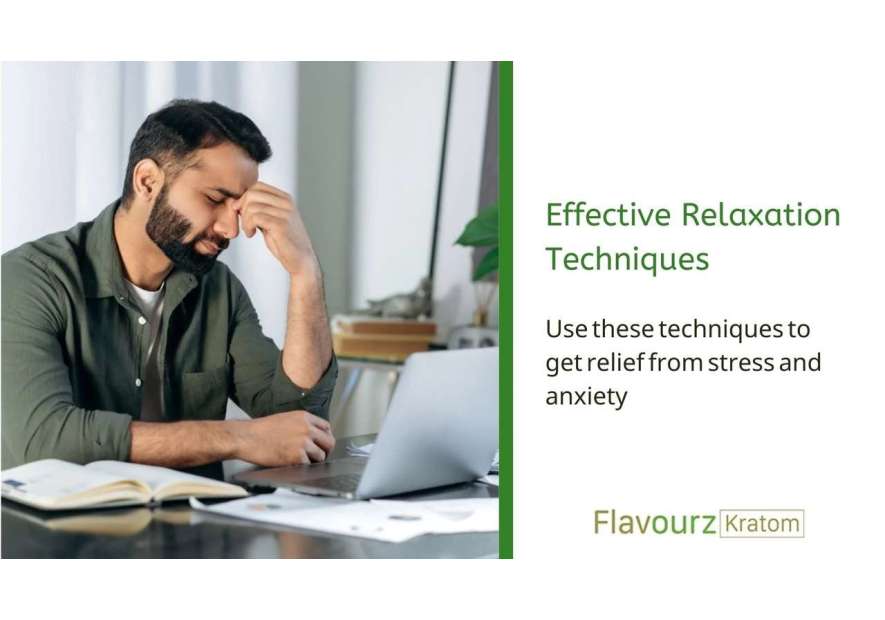
The most effective relaxation techniques for anxiety include deep breathing exercises, progressive muscle relaxation, mindfulness meditation, and guided imagery. These evidence-based methods help activate the body's natural relaxation response and can be practiced anywhere to manage stress and anxiety symptoms.
Anxiety and stress are common parts of modern life that affect millions of people daily. Whether caused by work pressures, personal challenges, or social situations, learning healthy ways to manage these emotions is essential for overall wellbeing.
Fortunately, many scientifically proven relaxation techniques can help relieve stress and promote calm. What are relaxation techniques for anxiety? This comprehensive guide explores nine effective relaxation methods to help you manage stress and anxiety naturally.
As someone with over 5 years of experience in the wellness industry at Flavourz Kratom, I've helped thousands of customers understand natural approaches to stress management since our company began serving customers in 1999. Through working with over 10,000 people, we've learned that combining evidence-based relaxation techniques often provides the best results.
| Technique | Time Needed | Best For |
|---|---|---|
| Deep Breathing | 5-10 minutes | Immediate anxiety relief |
| Progressive Muscle Relaxation | 15-20 minutes | Physical tension release |
| Mindfulness Meditation | 10-30 minutes | Mental clarity and calm |
| Guided Imagery | 10-20 minutes | Stress escape and relaxation |
| Body Scan | 15-25 minutes | Body awareness and tension relief |
Deep Breathing Techniques for Anxiety
Deep breathing is one of the most straightforward and effective relaxation techniques for anxiety management. Medical experts recognize that focusing on slow, controlled breathing helps activate the parasympathetic nervous system, which triggers the body's "rest and digest" response.
This simple technique helps shift your attention to the present moment rather than anxious thoughts. Concentrating on your breath allows the parasympathetic nervous system to function properly, helping release tension and clear your mind.
Deep breathing exercises can be practiced anywhere and provide immediate relief for anxiety symptoms. These quick relaxation techniques for anxiety require no special equipment or training.
How to Practice Deep Breathing
Find a quiet, comfortable location where you can practice without interruption. Sit comfortably or lie down, close your eyes, and place one hand on your chest and the other on your stomach.
Take a slow, deep breath through your nose, allowing your stomach to rise more than your chest. Hold your breath for a count of four, then exhale slowly through your mouth for a count of six.
Repeat this cycle for 5-10 minutes, gradually increasing the duration as you become more comfortable with the technique. Focus on releasing worries and tension with each exhale.
Body Scan Meditation
Body scan meditation is a powerful mindfulness technique that increases body awareness and helps identify areas of tension. This method involves systematically moving your attention through different body parts from head to toes, noticing sensations and consciously releasing tightness.
Body scan meditation effectively calms anxiety-related physical tension, making it one of the most effective muscle relaxation techniques for anxiety management.
Body Scan Practice Steps
Find a comfortable position lying down or sitting in a quiet space. Close your eyes and take several deep breaths to begin relaxing your mind and body.
Start by focusing attention on your toes, noticing any sensations, tension, or discomfort. Gradually move your awareness up through your feet, legs, abdomen, chest, arms, and head.
At each body part, consciously relax the muscles and release any tension you discover. Spend 1-2 minutes on each area before moving to the next region.
The combination of focused attention and intentional muscle relaxation helps create deep physical and mental calm. Red vein borneo is sometimes explored by individuals seeking natural relaxation support, though professional guidance is recommended.
Guided Imagery for Stress Relief
Guided imagery involves creating peaceful, calming mental images to promote relaxation and reduce anxiety. This technique redirects your mind to tranquil environments, helping you feel more relaxed and less anxious about current stressors.
You can practice guided imagery independently or follow along with audio recordings led by trained professionals. The key is creating detailed mental scenes that engage multiple senses for maximum effectiveness.
Effective guided imagery might include imagining a quiet beach, peaceful forest, or cozy mountain cabin. The more detailed and vivid your mental imagery, the more effective the relaxation response becomes.
Practicing Effective Guided Imagery
Choose a comfortable position in a quiet environment where you won't be disturbed. Close your eyes and begin with several deep, calming breaths.
Visualize a peaceful scene in great detail, focusing on what you see, hear, smell, and feel. Imagine the warmth of sunlight, the sound of gentle waves, or the scent of fresh pine trees.
Spend 10-20 minutes fully immersing yourself in this mental environment. The temporary mental escape can provide significant relief from daily stress and anxiety.
Some individuals find that natural relaxation support enhances their guided imagery practice. The best kratom for relaxation may complement relaxation routines, though individual responses vary and medical consultation is advised.
Mindfulness Meditation
Mindfulness meditation is a widely recognized technique for increasing present-moment awareness and reducing stress. Research demonstrates that relaxation techniques like mindfulness can reduce cortisol levels and decrease both physical and psychological experiences of stress.
This practice involves observing your thoughts and feelings without judgment, allowing them to pass through your mind like clouds in the sky. Mindfulness helps break the cycle of worry and anxiety by anchoring you in the present moment.
The combination of present-moment awareness and non-judgmental acceptance often makes mindfulness one of the best relaxation techniques for anxiety relief.
Mindfulness Meditation Practice
Find a quiet, comfortable location to sit or lie down without distractions. Close your eyes and begin focusing attention on your natural breathing pattern.
Notice each inhalation and exhalation without trying to change your breath. When your mind wanders to other thoughts, gently redirect attention back to your breathing without self-criticism.
Start with 10-20 minute sessions and gradually increase duration as your concentration improves. Regular practice develops stronger focus and greater emotional resilience over time.
Those exploring natural wellness approaches might consider maeng da kratom for sale for morning focus routines, though medical guidance and proper research remain essential.
Yoga for Stress Management
Yoga combines physical postures, controlled breathing, and meditation to promote overall wellness. This ancient practice strengthens and stretches the body while calming and focusing the mind, making it excellent for stress reduction and mental health support.
Whether you choose gentle or more vigorous styles, yoga provides both mental and physical benefits. The integration of body and mind makes yoga particularly effective for stress management and relaxation techniques for anxiety.
Yoga Poses for Relaxation
Specific yoga positions are particularly helpful for promoting relaxation and reducing stress. Poses like child's pose, savasana (corpse pose), and legs-up-the-wall pose help calm the nervous system.
Focus on slow, controlled breathing during each pose to maximize relaxation benefits. The combination of gentle physical movement and conscious breathing creates deep calm throughout the body and mind.
Regular yoga practice can significantly improve your ability to manage stress and anxiety in daily life. Many practitioners find that consistency is key to experiencing yoga's full stress-reduction benefits.
Natural Wellness Approaches
Some individuals explore botanical options as part of their comprehensive wellness routines, though responses vary significantly between people. Kratom, derived from Mitragyna speciosa leaves, has been traditionally used in Southeast Asian cultures, though modern research on its effects remains limited.
Different kratom varieties contain varying alkaloid profiles that may affect people differently. However, it's crucial to understand that individual responses are highly unpredictable, and scientific evidence for specific benefits remains incomplete.
At Flavourz Kratom, we've worked with over 10,000 customers since 1999, always emphasizing the importance of consulting healthcare providers before incorporating any botanical substances into wellness routines. Personal experiences vary dramatically, and what works for one person may not work for another.
Understanding Individual Variation
White kratom varieties are sometimes associated with energy-supporting properties by some users, though effects are unpredictable and not scientifically established. Individual responses can vary dramatically from person to person.
Green kratom may influence mood according to some traditional uses, but modern research is limited and results are inconsistent. Personal factors like body chemistry, medications, and health status all affect individual responses.
Red kratom varieties are often associated with relaxation in traditional contexts, though scientific validation is lacking. The best kratom for mood enhancement varies significantly between individuals and requires careful consideration.
Some people explore options like red horn kratom powder or natural Thai kratom as part of their relaxation routines, though professional medical guidance remains essential for safe exploration.
Autogenic Relaxation
Autogenic relaxation involves using self-directed phrases and mental imagery to promote physical and mental calm. This technique helps you connect with your body's natural relaxation responses through focused attention and positive suggestions.
The practice typically involves repeating calming phrases while visualizing feelings of warmth, heaviness, or peace in different body parts. This self-guided approach can be particularly effective for people who prefer independent relaxation methods.
Autogenic Relaxation Practice
Find a comfortable position sitting or lying down in a quiet environment. Close your eyes and begin with several deep, calming breaths.
Repeat phrases like "My arms are heavy and warm" or "My breathing is calm and regular" while focusing on the corresponding body sensations. Notice how each statement helps create deeper relaxation throughout your body.
Continue for 10-15 minutes, allowing the positive suggestions to promote natural calm and relaxation. Maeng da kratom kilo purchases are sometimes made by regular users, though bulk buying requires careful consideration of usage patterns and legal status.
Visualization Techniques
Visualization involves creating detailed mental images of peaceful, calming scenes to promote relaxation and stress relief. This technique allows you to mentally visit tranquil environments like meadows, streams, or cozy fireplaces.
Effective visualization requires engaging multiple senses to create realistic mental experiences. The more vivid and detailed your mental imagery, the more effective the relaxation response becomes.
Practicing Effective Visualization
Sit comfortably or lie down in a quiet location without distractions. Close your eyes and begin creating a detailed mental image of a peaceful, relaxing environment.
Focus on every detail you can imagine - colors, sounds, textures, temperatures, and scents. Spend time fully experiencing this mental environment through all your senses.
Practice visualization for 10-20 minutes, allowing yourself to become completely absorbed in the peaceful mental scene. This mental escape can provide significant relief from current stressors and anxiety.
Progressive Muscle Relaxation (PMR)
Progressive Muscle Relaxation involves systematically tensing and releasing muscle groups throughout your body from head to toe or vice versa. Studies show that PMR can effectively reduce both physical tension and psychological stress when practiced regularly.
This technique helps you identify and release muscle tension you may not even realize you're carrying. The contrast between tension and relaxation helps you develop greater body awareness and relaxation skills.
PMR Practice Steps
Find a comfortable position lying down or sitting in a supportive chair. Begin by taking several deep, calming breaths to prepare your body and mind.
Start with your toes, tensing the muscles for 5-10 seconds, then completely relaxing them for 15-20 seconds. Notice the difference between tension and relaxation in each muscle group.
Progress systematically through your body - feet, calves, thighs, abdomen, hands, arms, shoulders, neck, and face. Spend equal time tensing and relaxing each muscle group.
Complete PMR sessions typically take 15-20 minutes and can provide significant relief from both physical and mental tension.
Conclusion
Successfully managing stress and anxiety requires a comprehensive approach that may include multiple relaxation techniques. By experimenting with different methods and incorporating them into your daily routine, you can discover the most effective approaches for your individual needs.
Evidence-based techniques like deep breathing, mindfulness meditation, and progressive muscle relaxation offer proven benefits for calming both mind and body. Each technique provides unique advantages that can be tailored to different situations and preferences.
Some individuals choose to explore natural wellness options as part of their comprehensive approach, though such decisions should always involve careful research and professional medical consultation. At Flavourz Kratom, we emphasize responsible exploration and encourage consulting healthcare providers before incorporating any botanical substances into wellness routines.
Investing time in these relaxation practices provides immediate stress relief and contributes to better long-term mental and physical health. The key is finding the right combination of techniques that work best for your lifestyle and individual needs.
Disclaimer: This information is for educational purposes only and not intended as medical or mental health advice. Always consult qualified healthcare providers before making changes to your wellness routine or exploring botanical supplements. Individual responses to relaxation techniques and natural substances vary significantly. If you experience persistent anxiety or stress that interferes with daily life, please seek professional medical assistance. Kratom has not been evaluated by the FDA and is not intended to diagnose, treat, cure, or prevent any disease.

Leave a comment