

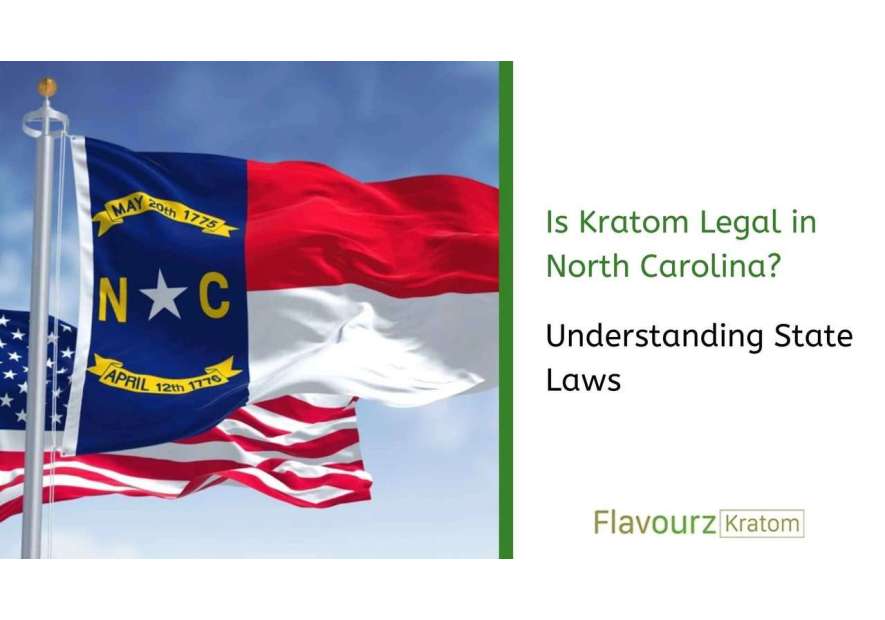
Is Kratom Legal in North Carolina? Understanding State Laws
Kratom is currently legal in North Carolina as of September 2025, but significant regulatory changes are pending. House Bill 468 would regulate kratom sales with age 21 restrictions and licensing requirements, while House Bill 328 could classify kratom as a Schedule VI controlled substance by December 1, 2025.
In my 5+ years tracking kratom legislation for Flavourz Kratom, I've seen how quickly state laws can change—North Carolina residents should stay informed about these pending bills.
The advocacy by American Kratom Association is working toward regulated and transparent markets. We encourage everyone involved in kratom to stay informed about current legislative developments.
Kratom from Southeast Asia, available in varieties compared in our red vs green kratom guide, has gained popularity worldwide, especially in the U.S. In places like North Carolina, people ask questions like "Is kratom legal in North Carolina?" and express concerns about health risks.
| Current Status (Sept 2025) | Pending Legislation | Potential Changes |
|---|---|---|
| Legal statewide | House Bill 468 (Regulation) | Age 21+ requirement, licensing for retailers |
| No age restrictions | House Bill 328 (Schedule VI) | Complete ban effective Dec 1, 2025 |
| No state regulations | ALE enforcement authority | Licensed retailers, testing requirements |
| Consumer protection laws apply | Steep fines for violations | Civil penalties up to $1,000 |
As committed and reliable kratom dealers in the market for 25 years, we dedicate this guide to educate the public about kratom's current and future status in North Carolina. As responsible merchants, we don't just focus on sales—we take pride in educating and guiding our trusted customers.
Understand North Carolina's regulations on kratom pills before purchasing.
What Is Kratom Status In North Carolina Law?
Kratom status in North Carolina law is that state law currently does not prohibit kratom possession, sale, or distribution. Kratom remains legal in North Carolina as of July 2025, but this status may change soon.
Reviewing North Carolina's Controlled Substances Act, Chapter 90, Article 5 lists all banned substances. Kratom (Mitragyna speciosa) doesn't appear on any Schedule I-VI list currently.
At the federal level, the U.S. Drug Enforcement Administration (DEA) labels kratom as a "drug of concern" without moving it into the Controlled Substances Act. The Food and Drug Administration (FDA) issues safety warnings about unapproved kratom sales, but there's no federal ban.
House Bill 468, introduced March 20, 2025, has progressed through committees and would establish comprehensive kratom regulation in North Carolina. The bill would raise the legal age for kratom purchase from 18 to 21, mandate lab testing, and require clear labeling.
However, House Bill 328 contains provisions classifying kratom as Schedule VI controlled substance, which would make it illegal starting December 1, 2025.
Local jurisdictions lack standalone authority to ban kratom unless state law grants it. This keeps kratom legal throughout North Carolina until the legislature creates dedicated regulations.
Do Any North Carolina Counties Prohibit Kratom?
As of September 2025, no county in North Carolina has enacted a kratom ban. While House Bill 328 titled "Regulate Hemp-Derived Consumables" contains kratom provisions, it hasn't been enacted yet.
Previous attempts at regulation died in committee in 2024 after the House and Senate couldn't agree on final versions. Therefore, kratom remains legal in all North Carolina counties currently.
Check the legality of super green kratom in North Carolina with this guide.
How Can You Do Kratom Business Legally In North Carolina?
You can do kratom business legally in North Carolina by complying with existing Consumer Protection Act (CPA) requirements. Currently, North Carolina doesn't have specific kratom regulations, but businesses should follow existing laws and best practices to prepare for future regulations.
Below are key considerations for legal kratom business operations:
Age Restrictions
Although North Carolina doesn't mandate specific age limits for kratom currently, we recommend businesses adopt minimum age requirements of 18 or 21. Pending legislation would prohibit sales to people under 21, making early adoption wise.
Some businesses voluntarily prevent sales to individuals under 21 to comply with potential federal guidelines. Implementing strict age verification systems helps avoid future legal complications, especially with proposed bills requiring specific age restrictions.
Proper Labeling Requirements
Kratom products sold in North Carolina must include clear labeling that accurately reflects contents, recommended usage, and potential risks. This includes listing specific kratom strains, dosage information, and FDA disclaimer statements.
Proposed regulations would require clear labels listing alkaloid content, ingredients, and usage warnings. Proper labeling protects consumers and ensures businesses aren't misleading customers, helping avoid false advertising claims.
Advertising Standards
We advise businesses to avoid advertising kratom in ways targeting minors or making unverified health claims. Federal law requires product advertising not be misleading, especially concerning health-related benefits.
This means avoiding claims that kratom cures medical conditions unless backed by credible scientific evidence. Pending legislation includes strict advertising standards and warning requirements.
What Penalties Apply For Illegal Kratom Activity?
Currently, no specific penalties apply for kratom activity in North Carolina since the state hasn't criminalized kratom possession, sale, or distribution. However, general state laws related to controlled substances may apply if kratom is adulterated or misrepresented.
If future legislation passes, retailers could face civil penalties up to $1,000 for violations, with third offenses triggering three-year sales bans.
If kratom products contain illegal substances or are marketed with false health claims, businesses could face penalties under consumer protection laws.
How Can Buyers Ensure Compliance With The Consumer Protection Act (CPA)?
Buyers can ensure Consumer Protection Act compliance by purchasing quality kratom products from reputable sources. Here are ways to ensure legal compliance and product quality:
- Research Vendors: Verify that vendors provide lab-tested products with clear test results. This ensures kratom is free from contaminants and accurately labeled. Future regulations will mandate lab testing for purity and safety.
- Verify Age Restrictions: Confirm vendors have valid age verification systems. Pending legislation would ban sales to individuals under 21.
- Inspect Labels and Packaging: Labels should display product information including strain, dosage, ingredients, and warnings. Proposed requirements include alkaloid content and usage warnings on all packages.
- Avoid Exaggerated Health Claims: Be cautious of vendors making unverified health claims about kratom. This could indicate non-compliance with FDA consumer protection standards.
- File Complaints: Report misleading practices to Federal Trade Commission (FTC) or local consumer protection agencies to maintain industry accountability.
Stay informed about how many capsules of red maeng da kratom are legal in North Carolina.
Are There Consequences For Vendors Who Violate The Consumer Protection Act?
Yes, vendors violating the Consumer Protection Act by selling unsafe or misrepresented kratom products face serious legal and financial consequences. These penalties protect consumers and ensure kratom products meet quality standards.
Key violations and consequences include:
Adulteration (Mixing Kratom with Other Substances)
Selling kratom mixed with illegal substances like controlled drugs violates consumer protection laws severely. This can lead to criminal charges for endangering public health, substantial fines, lawsuits, and potential imprisonment.
Mislabeling Products
Misleading labeling, such as false medical claims or incorrect dosage information, results in significant fines and product recall orders. Mislabeling constitutes deceptive business practices violating state and federal laws.
Violators may pay consumer restitution and face permanent sales injunctions.
Failure to Provide Lab Test Results
Failing to provide certificates of analysis breaches consumer trust and safety. Future regulations will mandate lab testing for kratom products.
Vendors not proving product safety face fines, product recalls, and potential lawsuits from agencies and consumers.
Health Claims Without Scientific Backing
Advertising kratom as medical treatment without sufficient evidence violates FDA regulations and consumer protection laws. Such practices result in severe penalties including fines, forced ad removal, and reputation damage.
Vendors may face class-action lawsuits from consumers relying on false claims.
What Could Possibly Change In The Future?
North Carolina's kratom future depends on ongoing legislative changes and American Kratom Association advocacy efforts. The state House is moving forward with new kratom regulations, with lawmakers saying the plant shouldn't be available to people under 21.
Two competing bills present different futures for North Carolina kratom:
House Bill 468 would regulate kratom without making it a controlled substance, establishing comprehensive consumer protections. The measure would regulate kratom under the state's Alcohol Law Enforcement division, banning sales to people under 21, requiring package warnings, and licensing retailers.
Conversely, House Bill 328 would classify kratom as Schedule VI controlled substance, making it unavailable for purchase starting December 1, 2025.
The Kratom Consumer Protection Act represents model legislation for regulating kratom sales and distribution. It ensures products are properly labeled, contaminant-free, and sold only to adults.
If enacted, the Kratom Consumer Protection Act (KCPA) would establish stringent rules for kratom businesses, ensuring products are safe, properly labeled, and not adulterated with harmful substances.
KCPA violations could result in fines, mandatory recalls, and criminal charges for severe offenses, significantly impacting North Carolina businesses.
The American Kratom Association continues advocating for responsible kratom regulation, pushing for federal and state laws balancing consumer protection with fair access. Recent committee hearings show active legislative debate about kratom's future in North Carolina.
Conclusion
Kratom remains legal in North Carolina currently, but significant legislative changes are pending. With potential Schedule VI classification by December 1, 2025, and regulatory bills advancing through committees, staying informed is crucial.
Whether North Carolina adopts comprehensive regulation or prohibition depends on which legislation succeeds. Both vendors and consumers must monitor these developments closely.
If you're looking for trusted kratom products while they remain legal, explore our range and make informed purchases today. Let Flavourz Kratom be your reliable partner in the kratom community, ensuring quality, compliance, and safety at every step.
Legal Disclaimer: This information is for educational purposes only and should not be considered legal advice. Kratom laws change rapidly, and current information may become outdated quickly. Federal agencies including DEA and FDA have issued warnings about kratom safety. Always consult with legal professionals and current government sources for the most up-to-date legal information before making kratom-related decisions.
Find trusted kratom powder at Flavourz Kratom and buy kratom powder.

Leave a comment