
Muscle Relaxation Techniques For Athletes After Workouts
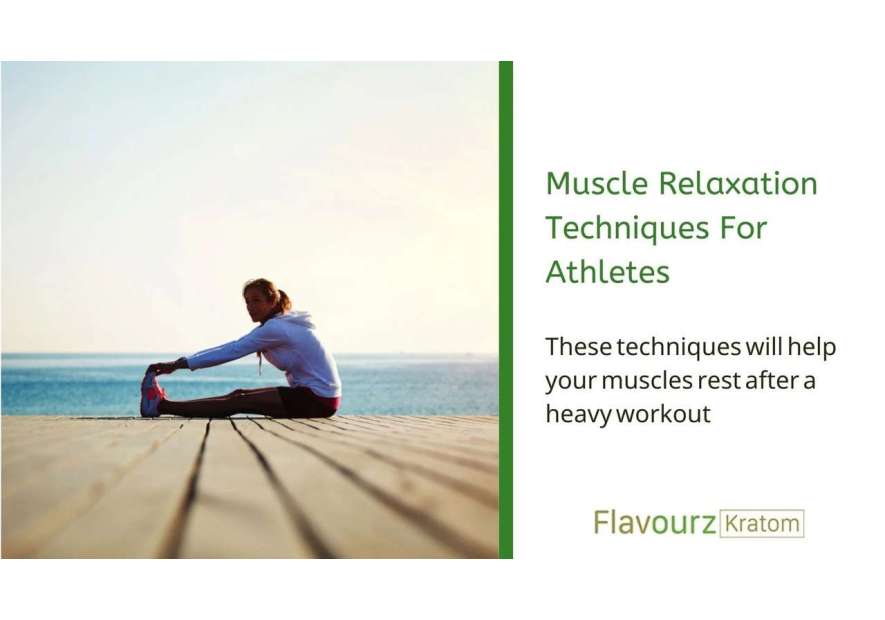
The most effective muscle recovery techniques for athletes include progressive muscle relaxation, foam rolling, post-workout stretching, and proper nutrition. These methods help reduce muscle soreness, prevent injuries, and improve flexibility when used together as part of a complete recovery plan.
Muscle relaxation practices reduce soreness and injuries while improving flexibility in athletes. Here's how to integrate proven recovery techniques into your daily training routine for better performance and injury prevention.
Recovery after intensive workouts isn't optional—it's essential for peak athletic performance. Athletes seeking natural recovery support can explore quality kratom for sale from trusted vendors with third-party testing. Athletes need personalized post-exercise recovery plans to reach their highest potential and prevent injuries. Physical relaxation methods help relieve muscle tension and restore flexibility, preparing the body for future training challenges.
This guide covers scientifically proven techniques ranging from stretches to foam rolling, plus natural recovery options. As someone with over 5 years of experience in the wellness industry at Flavourz Kratom, I've helped thousands of customers understand recovery methods since our company began in 1999.
| Method | Duration | Best Used For |
|---|---|---|
| Static Stretching | 10-15 minutes | Post-workout flexibility |
| Foam Rolling | 5-10 minutes | Muscle tension relief |
| Progressive Muscle Relaxation | 15-20 minutes | Mental and physical relaxation |
| Recovery Nutrition | Within 30 minutes | Muscle repair and energy |
Top Muscle Relaxation Techniques for Athletes
Understanding muscle relaxation is essential for every serious athlete. Athletic training involves intense activities that create microscopic tears in muscle fibers. Recovery is when these fibers rebuild and become stronger than before.
Without proper recovery, athletes experience prolonged soreness and stiffness, increased risk of muscle fatigue and injury, and reduced performance in subsequent workouts. Research shows that optimal recovery provides numerous benefits during repetitive high-level training and competition.
Incorporating deep muscle relaxation techniques accelerates recovery while contributing to long-term athletic health and performance gains.
1. Stretching for Recovery
Stretching is a fundamental recovery method that enhances flexibility, reduces stiffness, and helps lengthen muscles. This makes it ideal for cooling down after intense exercise sessions.
Benefits of Post-Workout Stretching
Stretching improves blood circulation to exercised muscle groups. Enhanced blood flow delivers nutrients needed for muscle repair and removes metabolic waste products.
Regular stretching increases range of motion, reducing injury risk during future training sessions. Studies indicate that stretching helps improve range of motion, reduce muscle soreness, and prevent injuries when used consistently.
Effective Stretching Strategies for Athletes
Static Stretching: Hold each position for 20-30 seconds after workouts. Examples include hamstring stretches, quad pulls, and calf stretches for lower body recovery.
Dynamic Stretching: Use controlled movement patterns like arm circles or leg swings to promote flexibility and joint mobility. These work best during warm-up routines before training.
Just 10-15 minutes of post-workout stretching can yield significant improvements in recovery time and performance. Athletes looking to enhance their relaxation routine might consider exploring red maeng da kratom as part of their evening wind-down ritual.
2. Foam Rolling for Muscle Recovery
Foam rolling, also called self-myofascial release, is a popular method for reducing muscle tightness and supporting recovery. This technique applies pressure to sore areas to break down adhesions and speed healing processes.
Foam Rolling Benefits
Foam rolling releases knots and tension in connective tissues. This mechanical pressure helps break up fascial restrictions that can limit movement and cause discomfort.
Regular foam rolling improves circulation, bringing essential nutrients to muscles while removing waste products. This enhanced blood flow accelerates the natural healing process.
Foam rolling reduces effects of delayed onset muscle soreness (DOMS). Many athletes report less stiffness and faster recovery when using foam rollers consistently.
Effective Foam Rolling Techniques
Start with your calves and work upward to quads, glutes, and upper back muscles. This systematic approach ensures complete muscle group coverage.
Roll each muscle group slowly for 1-2 minutes per area. Avoid rushing through the process, as gradual pressure application provides better results.
When you find particularly sore spots, pause the roller there for 10-15 seconds to allow pressure release. This focused attention helps address specific tension points.
Foam rolling combines well with stretching or progressive relaxation techniques for enhanced recovery benefits.
3. Progressive Muscle Relaxation (PMR)
Progressive Muscle Relaxation combines mental and physical relaxation techniques. This method helps athletes systematically release tension while promoting overall body relaxation. Research demonstrates that PMR involves tensing and relaxing different muscle groups to reduce overall tension.
PMR Implementation Steps
Lie down or sit in a comfortable, quiet location. Ensure you won't be interrupted during the 15-20 minute session.
Tense foot muscles for 5-10 seconds, then completely relax them. Notice the contrast between tension and relaxation in this muscle group.
Progress systematically up your body through calves, quads, abs, chest, arms, and finally neck and face muscles. Spend equal time on each muscle group.
PMR Benefits for Athletes
PMR reduces both physical and mental tension accumulated during training. This dual benefit helps athletes recover more completely between sessions.
Regular PMR practice increases body awareness, helping athletes recognize tension areas before they become problematic. This early detection can prevent injuries and performance issues.
PMR complements other recovery methods like stretching and foam rolling. When used together, these techniques create a comprehensive recovery approach.
Evening PMR sessions prepare the body for quality sleep, which is essential for muscle repair and growth. For athletes seeking natural relaxation support, white maeng da kratom for sale may complement morning energy routines.
Post-Workout Nutrition for Muscle Recovery
Proper nutrition immediately after exercise provides the foundation for effective recovery. A well-balanced post-workout approach helps restore glycogen levels and supports muscle fiber repair processes.
Key Components of a Post-Workout Recovery Strategy
Protein: Sports nutrition experts recommend consuming protein immediately after workouts to support muscle repair and growth. Aim for 20-30 grams of high-quality protein within 30 minutes of exercise.
Carbohydrates: Complex carbohydrates restore depleted glycogen stores in muscles and liver. This replenishment prepares your body for the next training session.
Electrolytes: Replace minerals lost through sweat during intense exercise. Proper electrolyte balance supports muscle function and prevents cramping.
Natural Recovery Drink Ingredients
Fresh fruits like bananas or berries provide natural sugars and powerful antioxidants. These compounds help reduce exercise-induced oxidative stress while supplying quick energy.
Add a pinch of sea salt or coconut water for natural electrolyte replacement. These options provide sodium and potassium without artificial additives.
Some athletes explore natural botanicals as part of their recovery routine, though individual responses vary significantly. Always consult healthcare providers before adding new supplements.
Experiment with different combinations to discover what supports your recovery best. Individual nutritional needs vary based on training intensity, duration, and personal metabolism.
For athletes interested in natural options, green maeng da kratom powder is sometimes incorporated into post-exercise routines, though proper research and medical guidance is essential.
Natural Recovery Methods for Athletes
Exploring Natural Recovery Approaches
Many athletes seek natural methods to support their recovery processes. Some individuals explore botanical options as part of their comprehensive recovery strategies, though results vary significantly between people.
Kratom is one botanical that some athletes have incorporated into their recovery routines. Different kratom varieties contain varying alkaloid profiles that may affect the body's systems differently. However, individual responses are highly variable and not well-studied in athletic contexts.
Understanding Kratom Varieties
White Kratom: Some users report energy-supporting properties, potentially suitable for morning routines. Effects and safety profiles require more research.
Green Kratom: May influence mood and focus according to some users, though scientific evidence remains limited. Individual responses vary considerably.
Red Kratom: Often associated with relaxation properties in traditional use, though modern research is still developing. Safety considerations are important.
At Flavourz Kratom, we've served over 10,000 customers since 1999, providing various strains for different wellness approaches. However, we always recommend consulting healthcare providers before incorporating any new substances into athletic routines.
Athletes considering natural options for post-workout relaxation might explore red horn kratom powder, though individual responses vary and medical guidance is recommended.
Combining Methods for Maximum Recovery
A comprehensive recovery plan incorporates multiple evidence-based techniques for optimal results. Here's an example of an integrated post-workout recovery routine:
- Immediate Cool-Down: 5-10 minutes of light walking or movement to gradually reduce heart rate and begin the recovery process.
- Static Stretching: 10-15 minutes focusing on muscles used during training. Hold each stretch for 20-30 seconds.
- Foam Rolling: Target specific areas of tension with 5-10 minutes of focused myofascial release.
- Post-Workout Nutrition: Consume a balanced recovery drink or meal within 30 minutes of exercise completion.
- Progressive Muscle Relaxation: Use PMR in the evening to promote quality sleep and complete recovery.
This systematic approach addresses both immediate and long-term recovery needs. The combination of physical techniques and proper nutrition creates optimal conditions for muscle repair and adaptation.
Some athletes choose to include natural botanicals as part of their evening relaxation routine. Those interested in exploring such options might consider the best kratom for relaxation, though medical consultation is recommended before adding any new substances to training programs.
Frequently Asked Questions
How long does muscle recovery take after intense workouts?
Muscle recovery time varies based on workout intensity, training experience, and individual factors, with most athletes needing 24–72 hours between intense sessions targeting the same muscle groups. Light to moderate workouts typically require 24 hours of recovery, while high-intensity strength training or endurance sessions may need 48–72 hours for complete muscle repair. Beginners often need longer recovery periods of up to 5 days, while well-conditioned athletes recover faster due to improved circulation and adaptation. Listening to your body and incorporating proper nutrition, hydration, and rest accelerates the recovery process significantly.
What is the best time of day to do recovery techniques?
The best time for recovery techniques depends on the specific method, with stretching and foam rolling most effective immediately after workouts when muscles are warm and pliable. Progressive muscle relaxation works best in the evening, 1–2 hours before bedtime, to support quality sleep and overnight muscle repair. Post-workout nutrition should be consumed within 30 minutes of exercise completion to maximize glycogen replenishment and protein synthesis. Morning routines focused on dynamic stretching prepare muscles for the day, while evening relaxation techniques help the body transition into restorative sleep phases.
Can I overdo muscle recovery techniques?
Yes, excessive recovery techniques can actually hinder progress rather than help, with foam rolling and aggressive stretching being the most commonly overdone methods. Foam rolling sessions longer than 10–15 minutes per muscle group can cause bruising, tissue damage, and increased inflammation rather than relief. Static stretching held too long (over 60 seconds per position) before workouts may temporarily reduce muscle power output. Progressive muscle relaxation is generally safe to do daily, but combining too many recovery methods in one session can leave muscles overly relaxed and reduce performance in subsequent training. Following recommended durations and listening to your body's response produces the best results.
What are the most effective muscle relaxation techniques for athletes?
The most effective approaches combine stretching, foam rolling, and progressive muscle relaxation with proper nutrition and adequate sleep. Individual needs vary based on training intensity and personal response patterns.
How often should athletes perform recovery techniques?
Recovery techniques should be performed after every intense training session. Foam rolling can be done 4-5 times per week, while stretching and progressive relaxation can be daily practices.
How does sleep affect athletic recovery?
Sleep is essential for muscle repair and energy replenishment. Athletes should aim for 7-9 hours of quality sleep nightly for optimal recovery and performance.
Can natural supplements support athletic recovery?
Some natural substances may support recovery, though individual responses vary significantly. Always consult healthcare providers before incorporating new supplements into training routines, especially competitive athletes subject to drug testing.
Why Choose Flavourz for Wellness Support?
At Flavourz Kratom, we're committed to providing high-quality natural products for those exploring botanical wellness options. Since 1999, we've helped over 10,000 customers understand different strains and their traditional applications.
Our carefully sourced products meet strict quality standards for those interested in exploring natural wellness approaches. We provide detailed information and encourage responsible use with medical guidance.
Athletes interested in natural relaxation options might explore red vein Thai kratom powder, though proper research and medical consultation remain essential for safe integration into any fitness routine.
Conclusion
Peak athletic performance requires smart recovery strategies, not just intense training. By incorporating effective muscle relaxation techniques including stretching, foam rolling, and progressive muscle relaxation, athletes optimize their recovery processes.
Whether using post-workout nutrition strategies or exploring natural wellness options, every recovery element contributes to long-term athletic success. The key is finding the right combination of evidence-based techniques that work for your individual needs.
For those interested in exploring natural wellness products as part of their recovery routine, Flavourz Kratom offers quality options backed by 25+ years of industry experience. Visit our website to learn more about our carefully sourced products and responsible usage guidelines.
Disclaimer: This information is for educational purposes only and not intended as medical advice. Always consult healthcare providers before making changes to your training or recovery routine, especially when considering natural supplements. Individual responses to recovery methods vary significantly. Kratom has not been evaluated by the FDA and is not intended to diagnose, treat, cure, or prevent any disease.

Leave a comment