

How to Grow a Kratom Plant: A Complete Guide
Growing kratom at home requires replicating tropical conditions with temperatures between 75-90°F, humidity levels of 70-80%, well-draining acidic soil (pH 5.5-6.5), and consistent moisture. Success is challenging outside Southeast Asia, but possible with proper indoor setup and patience.
The kratom plant, scientifically known as Mitragyna speciosa, is a tropical evergreen tree from Southeast Asia. If you're growing your own kratom plant, also consider ways to explore njoy kratom website for buying mature plants. It holds deep cultural and political importance in countries like Thailand, Indonesia, and Malaysia. While kratom naturally thrives in these tropical regions, many enthusiasts worldwide want to grow their own plants at home.
As someone who has worked in the kratom industry for over 5 years at Flavourz Kratom, I've helped thousands of customers understand this remarkable plant. Since our company started in 1999, we've served over 10,000 customers and witnessed the growing interest in home cultivation. However, growing kratom outside its natural habitat presents unique challenges that require careful planning.
This complete guide covers everything you need to know about growing kratom plants. We'll discuss environmental requirements, growing methods, legal considerations, and practical alternatives.
| Condition | Requirement |
|---|---|
| Temperature | 75-90°F (24-32°C) |
| Humidity | 70-80% |
| Soil pH | 5.5-6.5 (slightly acidic) |
| Light | Partial sun/filtered light |
| Watering | Keep soil consistently moist |
What is a kratom plant?
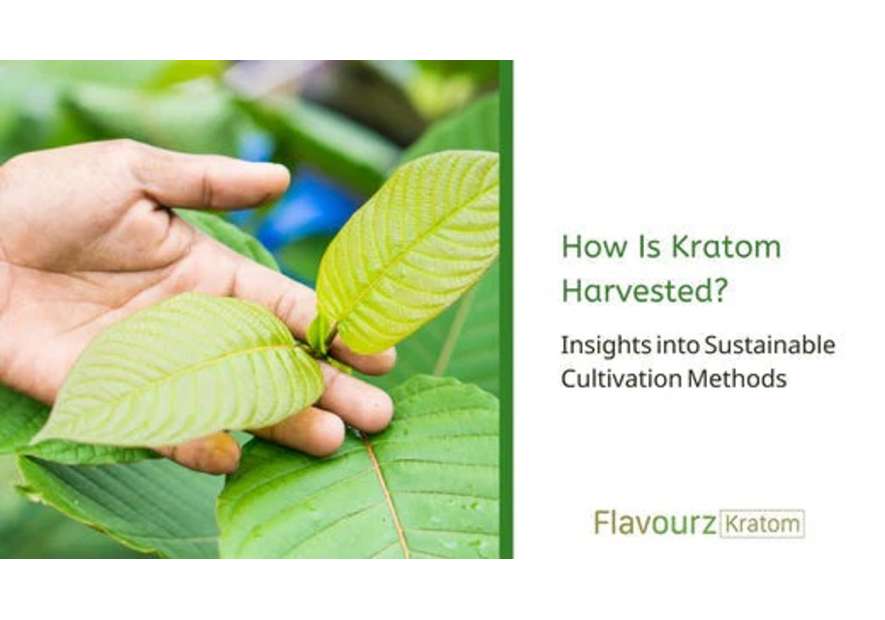
The kratom plant, also known as Mitragyna speciosa, belongs to the coffee family and can grow up to 100 feet tall in its natural environment. This tropical tree has been used in Southeast Asia for centuries, with local communities appreciating its traditional applications.
In my 5+ years working with Flavourz Kratom customers, I've learned that many people want to try growing their own plants. While kratom grows naturally in tropical climates, dedicated enthusiasts can cultivate it indoors with proper conditions. However, growing kratom requires patience, skill, and significant environmental control.
The plant produces large, oval-shaped leaves that contain the active compounds people seek. Natural Thai kratom varieties like those we offer at Flavourz represent the quality that comes from ideal growing conditions.
Growing kratom at home is an interesting project if you have patience and the right setup. For those wanting to experience quality kratom without the gardening challenge, Borneo Green is a popular strain you can enjoy immediately.
Kratom Growing Requirements
Successfully growing kratom means recreating the tropical conditions where these plants naturally thrive. Based on our experience helping customers understand kratom cultivation, here are the essential requirements you must meet.
Temperature and Climate Control
Kratom plants need consistently warm temperatures between 75°F and 90°F (24°C-32°C). Research shows that kratom is extremely sensitive to cold temperatures. Anything below 60°F will stunt growth, and frost can kill the entire plant.
If you live in a region with cold winters, you must grow kratom indoors or in a heated greenhouse. From my experience helping customers across different climates, those in northern states face the biggest challenges. Indoor growing becomes essential for year-round cultivation.
If you'd rather skip the temperature management effort, the best place to buy kratom online has plenty of quality options ready to enjoy.
Soil Requirements and pH Levels
Kratom plants need nutrient-rich soil with excellent drainage capabilities. The ideal pH range is between 5.5 and 6.5, making the soil slightly acidic. Sandy loam soil works best because it drains well while retaining necessary nutrients.
You can improve soil quality by adding organic matter like compost or peat moss. This enhances both nutrient content and drainage capacity. Poor soil quality is one of the main reasons kratom seeds fail to establish strong root systems.
When using potting mix for indoor growing, choose blends designed for tropical plants. Avoid heavily compacted soils that restrict root development and water movement.
Watering and Humidity Management
Proper watering is critical for kratom plant care and health. These plants love moisture and need soil that stays consistently damp but not waterlogged. Overwatering can cause root rot, which kills kratom plants quickly.
Water your kratom plant every few days, depending on your climate and indoor conditions. Natural Thai kratom develops through this careful moisture management process.
Humidity control is equally important for successful kratom cultivation. These plants perform best with humidity levels between 70% and 90%. Most indoor environments only maintain 40-50% humidity, making this a major challenge.
If growing indoors in dry climates, use a humidifier or place humidity trays under plant pots. You can also mist the leaves regularly to simulate natural tropical conditions.
Light Requirements
In nature, kratom plants grow under partial forest canopy, receiving filtered sunlight. Too much direct sunlight burns the leaves, especially during hot summer days. However, plants won't grow properly in complete shade.
The ideal situation provides filtered sunlight or partial shade during the hottest parts of the day. For indoor growing, place plants near windows with indirect sunlight exposure. Quality strains like red bentuangie kratom powder require these optimal light conditions during cultivation.
Nutrients and Fertilization
Kratom plants are heavy feeders that require regular nutrition. Use balanced fertilizers containing nitrogen, phosphorus, and potassium for best growth results. Organic nutrients like worm castings, fish emulsion, or compost tea work excellently for kratom plants.
Feed your plants every 2-4 weeks during the growing season. Monitor plant health and adjust feeding schedules based on growth response and leaf color.
How to Grow a Kratom Plant
There are two main methods for growing kratom: from seeds or from cuttings. Each approach has distinct advantages and challenges that affect your success rate.
Growing Kratom from Seeds
The biggest challenge with kratom seeds is obtaining fresh, viable specimens. Kratom seeds lose their ability to germinate very quickly, sometimes within days of harvest. This makes seed cultivation extremely difficult for most home growers.
To grow kratom from seeds successfully:
Start by planting fresh kratom seeds in shallow trays filled with nutrient-rich soil. Press seeds gently into the soil surface, but don't bury them too deeply.
Mist the seeds regularly to maintain soil moisture without causing waterlogging. Place seeds in a warm, humid environment with indirect sunlight exposure.
Be patient during the germination process, which can take several weeks. Success rates vary significantly, even with perfect conditions.
Plant many seeds to increase your chances of success. Even experienced growers often see low germination rates with kratom seeds.
Growing Kratom from Cuttings
Growing kratom from cuttings offers more reliable results and faster plant establishment. This method has higher success rates than seed germination.
Here's how to grow from cuttings:
Select healthy cuttings from established kratom plants. Cuttings should be several inches long and include multiple leaf nodes.
Dip the cut stem end into rooting hormone to encourage root development. This significantly improves success rates for cutting propagation.
Plant the cutting in well-draining soil in a small pot. Keep soil moist while maintaining high humidity around the cutting.
Place the pot in an area with indirect sunlight, avoiding harsh direct exposure. After several weeks, the cutting should develop roots and become established.
Once the plant shows strong growth, you can transfer it to a larger pot or outdoors if weather permits. Understanding the difference between kratom extract vs powder helps you appreciate the plant's versatility.
Growing kratom requires significant skill and dedication. For those wanting immediate enjoyment, mixing green Thai kratom powder into your routine provides fresh, energizing experiences without the cultivation challenges.
Understanding the Laws
Legal regulations surrounding kratom vary significantly by location and change frequently. Before starting any kratom growing project, research the specific laws in your area. In the United States, several states prohibit kratom sales and cultivation, while others allow it freely.
At Flavourz Kratom, we regularly educate customers about legal considerations. Since 1999, we've seen legal landscapes shift across different jurisdictions. Always consult local authorities or legal experts before growing kratom, especially if you plan to sell plants or leaves.
This legal research is particularly important because violations can result in serious consequences. Stay updated on changing regulations in your specific location.
Testing and Packaging
Successful kratom cultivation at home requires commitment, skill, and careful attention to detail. Every factor matters, from soil composition and weather conditions to pest management and disease prevention. These elements all contribute to your overall growing success.
While the process can be time-consuming, watching a kratom plant grow and thrive brings real satisfaction. However, the challenges often outweigh the benefits for most home growers.
For optimal preservation, kratom should be packaged carefully to maintain freshness and potency. Store leaves or powder in airtight containers in cool, dry locations. At Flavourz Kratom, we maintain strict quality standards whether customers want to purchase kratom powder or whole leaves.
To purchase fresh, high-quality kratom online, visit our website at Flavourz Kratom. Our 25+ years of experience ensure you receive the finest kratom available.
Where to Purchase Kratom Online
If growing kratom seems too challenging or time-consuming, you can still enjoy this remarkable plant by purchasing quality products online. Flavourz Kratom stands among the best places to buy kratom, offering extensive strain selections and formats.
Whether you want kratom powder or whole leaves, you'll find comprehensive variety at Flavourz Kratom. Our selection includes traditional strains and unique blends that satisfy different preferences and needs.
Visit our website to explore our complete selection. Whether you're taking advantage of our kratom sale or researching where to buy kratom, we provide fast shipping and excellent customer service. This ensures you receive the highest quality kratom available on the market.
Conclusion
Growing and cultivating kratom is a fascinating project that appeals to many plant enthusiasts. With proper knowledge and consideration of environmental needs including soil, humidity, and light requirements, you can successfully grow kratom trees at home.
However, if you prefer not to grow your own kratom, you can purchase premium quality kratom from Flavourz Kratom. Our products deliver consistent effects and quality that satisfy enthusiasts worldwide. White Hulu kratom strain effects are particularly popular among our customers.
With our variety of kratom products available and convenient online shopping, Flavourz Kratom makes it easy to buy kratom powder online. Choose your favorite kratom strain and experience the finest quality available for purchase.
Happy Growing! Also check out our Kratom for sale options
Disclaimer: This information is for educational purposes only. Growing kratom may be illegal in your area. Always research local laws before attempting cultivation. Kratom is not intended to diagnose, treat, cure, or prevent any disease.

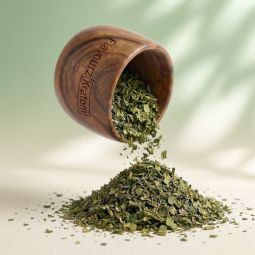
Crushed Leaf Maeng Da Kratom
Crushed Leaf Kratom - Maeng Da is a premium multi-vein blend of white, red, and green Maeng Da varieties from Southeast Asia. Ideal for brewing kratom tea, offering balanced energy, relaxation, and mood enhancement. Lab-tested for purity, meeting AKA standards. Sold in 1/2kg (500g) packs.
Leave a comment