

Is Kratom Legal in Hawaii? Understanding Local Regulations
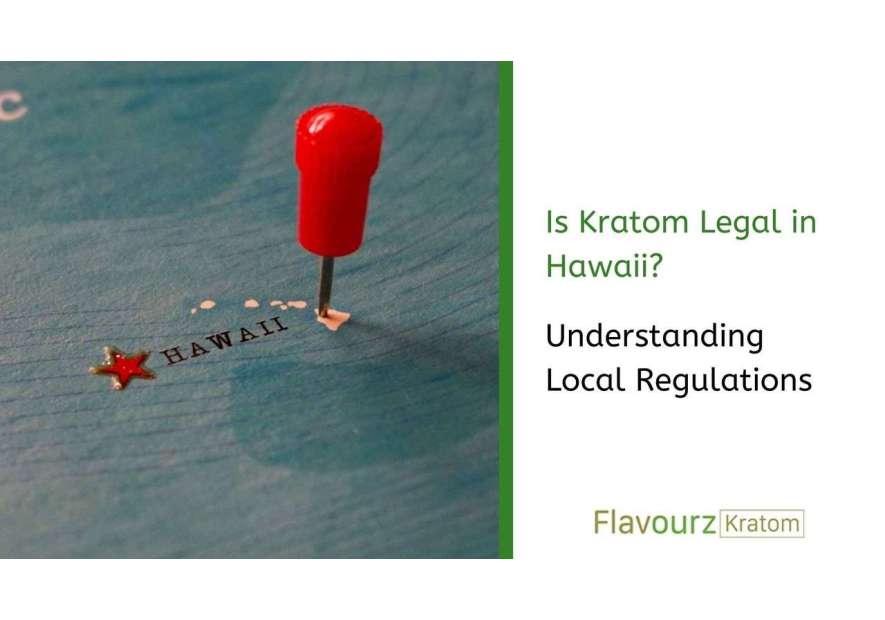
Yes, kratom is legal in Hawaii as of September 2025. Kratom, also known as mitragyna speciosa, remains legally available for sale and personal use throughout the state. In our 25+ years serving Hawaiian customers at Flavourz Kratom, we've consistently monitored state legislation and maintained full compliance with evolving regulations.
Current Hawaii Kratom Legal Status (Updated September 2025)
| Legal Aspect | Current Status | Details |
|---|---|---|
| Possession | Legal | No quantity restrictions |
| Purchase | Legal | 18+ recommended by vendors |
| Sale | Legal | No licensing required |
| Import/Export | Legal | Standard shipping allowed |
| KCPA Status | Not enacted | Under consideration |
It is not currently classified as a controlled substance. No active statewide bans restrict its possession or distribution.
However, the legal landscape is dynamic. Discussions about kratom regulations continue among lawmakers, regulatory agencies, and industry stakeholders.
As public interest in kratom increases, so does the call for clearer standards. These include packaging, safety, labeling, and ethical sourcing requirements.
Many vendors in Hawaii have voluntarily adopted higher safety practices. These include lab testing and transparent labeling to align with expected future regulations.
While formal legislative changes have yet to be enacted, the direction is clear. Responsible practices today can help safeguard kratom's future in Hawaii.
Understanding the current legal status is essential. Anticipating regulatory shifts and promoting safe usage help navigate Hawaii's evolving kratom market with confidence and accountability.
What Is Kratom?
Kratom is a naturally occurring plant known by its scientific name, Mitragyna speciosa. It grows in the tropical forests of Southeast Asia, where its leaves have been part of traditional practices for generations.
Locals have used kratom in its raw form. They either chew the leaves or brew them into herbal teas.
The Food and Drug Administration has raised concerns about unregulated products and unverified claims. This is why clarity around the effects of kratom, sourcing, and alkaloid composition is so important.
Kratom contains naturally occurring compounds that interact with the body differently. This depends on the dose and strain.
However, we stay away from making any health claims. Our focus is on providing high-quality kratom products that are responsibly sourced, properly labeled, and tested for safety.
Based on our 25-year experience serving Hawaiian customers, we've seen increased interest in kratom's traditional uses and growing demand for quality assurance. According to research published by the National Center for Biotechnology Information, kratom's primary alkaloids have been subjects of ongoing scientific study regarding their traditional applications.
Check Hawaii's laws regarding kratom extract tablets before making a purchase.
Is Kratom Legal in Hawaii Right Now?
Yes, kratom is legal in Hawaii. It's not classified as a controlled substance. This means residents can legally buy, use, and possess it.
There are currently no statewide restrictions, age limits, or sales regulations in place.
That said, previous proposals have aimed to ban kratom in Hawaii. While none have passed, they signal that lawmakers are still paying close attention.
This is why it's essential to understand not just the current status but what may be coming next.
Our legal team at Flavourz Kratom actively monitors Hawaiian legislation and maintains relationships with industry advocacy groups to stay informed about potential regulatory changes.
Understanding Hawaii's Kratom Laws
Hawaii hasn't yet passed formal kratom regulations. But there are emerging standards that shape how kratom is handled throughout the state.
These practices may not be codified into law yet. But they reflect growing efforts to prioritize safety, transparency, and accountability across the industry.
Here are five important guidelines that shape the way kratom is expected to be handled across Hawaii:
- Age restrictions: Most responsible vendors voluntarily enforce this limit. While not officially mandated by the state, it's widely practiced to discourage access by younger individuals.
- Product labeling: This includes details such as strain name, packaging date, and the product's alkaloid composition. Accurate labeling empowers consumers to make informed choices.
- Lab testing quality: Although not yet required, many vendors now provide test results. These show the product is free from mold, pathogens, or heavy metals. Transparency around testing demonstrates a commitment to safety.
- Packaging standards: Airtight, sealed, and tamper-evident containers are becoming the norm. This ensures the product's integrity from shipping to shelf. It helps reduce exposure to air and moisture.
- Ethical sourcing: Consumers increasingly ask about where and how kratom is harvested and processed. Brands that lead with openness and quality control tend to earn more trust.
These evolving practices are steering Hawaii's kratom market toward a safer, more professional space. As public awareness grows and regulatory discussions advance, following these guidelines is the best way to remain compliant and ensure a trustworthy experience for all.
Stay compliant when you buy super green kratom in Hawaii.
What About the Kratom Consumer Protection Act (KCPA)?
The Kratom Consumer Protection Act is a proposed regulatory framework designed to create consistent safety and quality standards for kratom.
While it hasn't been adopted in Hawaii yet, the conversation around it continues to grow. More residents and lawmakers become aware of the need for consumer protections.
Here is what the Kratom Consumer Protection Act would implement if passed:
Require accurate labeling and ingredient disclosures
Vendors would be legally required to list all ingredients clearly on the product label. This ensures buyers know exactly what they're getting, which is crucial for safety and transparency.
It also helps prevent confusion around mislabeled or misleading kratom products.
Set limits on the sale of contaminated or adulterated products
The act would ban the distribution of kratom mixed with unsafe substances or compromised by poor handling.
This rule would help prevent low-quality or hazardous products from reaching store shelves. It adds another layer of safety for users across the state.
Define rules around proper packaging, testing, and selling kratom
Standardizing packaging requirements means that products must be sealed, tamper-evident, and labeled with detailed information about their lab testing.
This would also include mandatory third-party lab testing to verify purity and alkaloid composition. These rules create more accountability for vendors and better choices for consumers.
Prohibit sales to minors
The KCPA would set a minimum age requirement. This is an important step in responsible kratom retail.
Preventing underage access helps protect vulnerable age groups from the unregulated use of substances.
It also aligns Hawaii with states that already enforce age restrictions under similar frameworks.
According to the American Kratom Association's model legislation, states that have enacted KCPA frameworks have seen improved product quality and consumer confidence while maintaining legal access.
What It Takes to Sell Kratom Responsibly in Hawaii
To sell kratom responsibly in Hawaii, you must avoid synthetic additives, ensure proper labeling, and respect age restrictions. Under the developing regulatory climate in Hawaii, the sale of kratom comes with expectations that align with responsible retail practices.
Here is what it takes to sell kratom responsibly in Hawaii:
- Avoid synthetic additives or excessive alkaloids: Products should not contain lab-made alkaloids or exceed natural thresholds. They particularly should not contain more than 2% of 7-hydroxymitragynine. Maintaining natural formulations supports both product safety and public confidence.
- Follow honest, comprehensive labeling: Every kratom product should display a full ingredient list, vendor information, alkaloid content, suggested usage, and safety warnings. Clear labels help consumers understand what they're using and promote safe experiences.
- Respect age restrictions: Selling kratom to anyone under 18 is strongly discouraged. Many in the industry treat it as a standard, even without an enforced law. It's a straightforward way to establish credibility while safeguarding younger users.
- Provide third-party lab testing: Vendors who offer lab results demonstrate their commitment to the quality of the product that ends up in customers' hands. Testing should cover potency, contamination, and microbial content.
At Flavourz Kratom, we've maintained these responsible selling practices since 1999, even before regulatory discussions began, because we believe customer safety should never be compromised.
How to Safely Buy Kratom in Hawaii
To safely purchase kratom in Hawaii, look for tested products, avoid unmarked packaging, check for vendor transparency, and opt for airtight packaging.
Even though kratom is legal in Hawaii, that doesn't mean every product you find is worth your trust. We've talked to hundreds of customers who felt unsure about what makes a kratom product safe or reliable.
Whether you're new to kratom or looking for a better buying experience, here are five ways you can safely buy kratom in Hawaii:
- Look for lab-tested products: Lab testing confirms the alkaloid composition and checks for contaminants such as mold, heavy metals, or bacteria. This step matters because clean kratom gives you a consistent experience every time and ensures what you're consuming is safe.
- Avoid unmarked packaging: If the packaging doesn't tell you where it came from, how to store it, or when it was packed, skip it. Clear labels, a batch number, and an expiration date accompany every product we ship. This not only helps with tracking freshness but also gives you confidence that the product was handled properly.
- Check for vendor transparency: A reputable vendor should be proud to disclose the origin of their kratom. We always share our sourcing process, from Southeast Asia, where Mitragyna speciosa grows naturally, to how it's dried, stored, and tested. This kind of openness is a strong sign that the brand prioritizes quality and customer safety.
- Choose airtight and tamper-evident packaging: Exposure to moisture or air can quickly ruin kratom. That's why our kratom comes sealed tightly in tamper-evident packaging to preserve freshness and prevent contamination. It's one of the most effective ways to maintain product integrity during shipping and storage.
- Read customer reviews and policies: Don't just take our word for it—see what other customers are saying. We keep our return policy easy and fair, and our reviews speak for themselves. A vendor that hides feedback or has unclear policies may not be worth the risk, especially in an unregulated market.
From our experience serving Hawaiian customers for over two decades, we've learned that customers who follow these guidelines report significantly higher satisfaction with their kratom purchases.
Understand the legality of Vietnam kratom for sale in Hawaii.
Where Can I Buy High-Quality Kratom?
You can find high-quality kratom at Flavourz Kratom, where our commitment to safety and transparency guides everything we do.
Every product in our collection undergoes rigorous third-party lab testing to verify its alkaloid composition. We ensure it's free from contaminants, including heavy metals and molds.
We take pride in our curated selection of strains, including customer favorites like Red Maeng Da. These are responsibly sourced from Southeast Asia and processed under strict quality standards, and Hawaiian buyers who want to compare another certified vendor's strain selection and sourcing documentation alongside ours can see where to find super speciosa for a full review before making their decision.
Whether you're looking to integrate kratom into your daily routine or explore new varieties, our range is tailored to suit a variety of needs and preferences.
Legal Compliance Statement: Flavourz Kratom actively monitors Hawaii state legislation and maintains full compliance with all current laws. We work closely with legal experts and industry advocacy groups to stay informed about potential regulatory changes. Our Hawaiian customers can be confident that all shipments comply with current state and federal regulations.
Important Legal Notice: This information is current as of September 2025 and is based on our understanding of Hawaiian state law. Kratom laws can change rapidly. We recommend checking current legal status before making purchases. This content is for informational purposes only and should not be considered legal advice. Individual circumstances may vary, and we encourage consulting with legal professionals for specific legal questions.
Explore Flavourz Kratom's store to buy kratom online today.

Leave a comment