
Simple Meditation Techniques to Reduce Stress and Anxiety
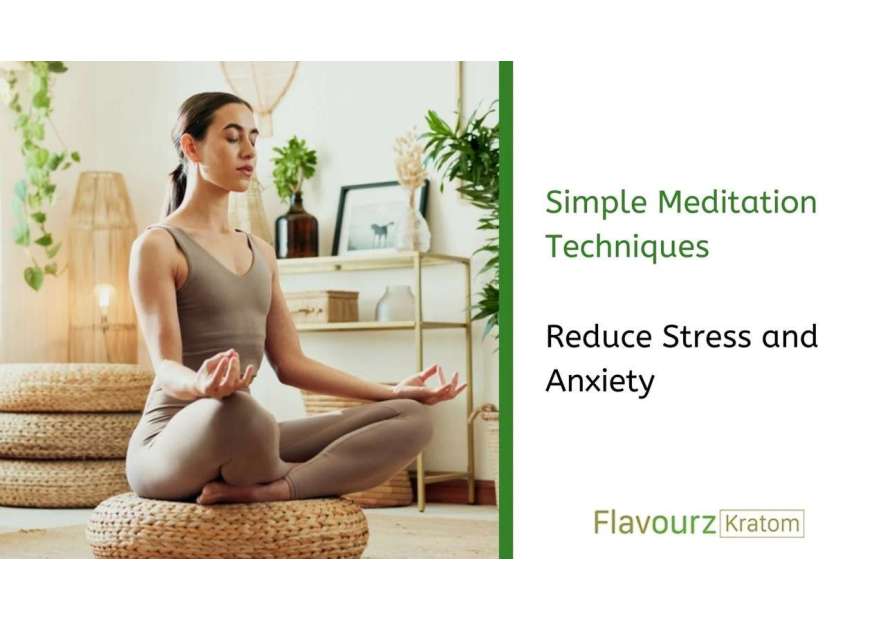
Meditation effectively reduces stress and anxiety by activating the body's relaxation response and training the mind to observe thoughts without judgment. Research from Mayo Clinic and the National Institutes of Health shows that even 5-15 minutes of daily meditation can significantly lower cortisol levels and improve emotional well-being.
Stress and anxiety are common in today's fast-paced world and can be hard to escape. Work stress, personal life challenges, or overwhelming emotions might keep you in a constant cycle of worry.
Meditation is becoming more popular as a powerful approach to managing negative thoughts and finding peace, focus, and balance naturally. Meditation for stress and anxiety can help us manage these challenges without complicated methods or expensive therapies.
Meditation may help you relax and quiet your busy mind. This guide shows simple meditation techniques to support mental health and inner peace.
| Meditation Technique | Primary Benefits | Time Needed | Best For |
|---|---|---|---|
| Deep Breathing | Quick stress relief, anxiety reduction | 1-5 minutes | Beginners, acute stress |
| Mindfulness Meditation | Present-moment awareness, emotional regulation | 10-20 minutes | Racing thoughts, overthinking |
| Body Scan | Physical tension release, body awareness | 15-30 minutes | Physical stress, sleep issues |
| Loving-Kindness | Compassion, emotional healing | 10-15 minutes | Anger, relationship stress |
| Guided Meditation | Structure, focus support | 5-30 minutes | Beginners, specific goals |
What Is Meditation?
Meditation is a practice that helps clear your mind of unnecessary thoughts and worries. It can result in calmness and improved awareness.
Buddhism and Hinduism have practiced meditation for thousands of years. However, it has become common for improving mental health and overall well-being.
Good meditation for anxiety helps you step away from stress and teaches your mind to be present, focused, and relaxed. Meditation for stress and anxiety is about staying present in the moment.
You can do this by focusing on your breath, repeating a calming word, or observing your body and feelings without judgment. Meditation trains your attention and awareness of your thoughts, emotions, and physical sensations without letting them overwhelm you.
This can help break the daily cycle of stress, anxiety, and negative thinking patterns for many people.
Enhance your meditation practice with bali kratom for sale for a calming experience.
How Does Meditation Reduce Anxiety?
We often feel anxious when we think negatively, worry about things we can't control, or stress about the future. Meditation helps you break this cycle by teaching you focus and present-moment awareness.
It helps you observe thoughts without immediately reacting to them, which can give you better control over your mental state. Simply witnessing your thoughts can reduce anxiety and improve your mood over time.
Simple meditation for anxiety calms both the body and mind. This relaxation response counters the fight-or-flight response that stress and anxiety create.
Mayo Clinic research shows that focusing on your breath, body, or a peaceful phrase can lower your heart rate, reduce muscle tension, and decrease stress hormones.
Meditation helps train the brain to handle stress more calmly and evenly. This can ease anxious thoughts and physical sensations.
Meditation refreshes your mind and body, allowing you to approach challenges with more clarity and focus. For additional support, some people find that kratom may help reduce stress and support daily energy.
Check out the best kratom for mood enhancement if you want natural mood support.
Benefits of Meditation
Meditation for anxiety and stress offers many benefits beyond just relaxation. Here are several key advantages supported by research:
Reduces Stress
Stress reduction is one of meditation's most well-documented benefits. National Institutes of Health research shows that regular meditation helps activate your body's relaxation response, making it easier to handle daily stress.
Meditation helps you stay calm and centered even in difficult situations.
Improves Concentration
Meditation trains your ability to focus and stay present. Whether you're focusing on your breath, a sound, or an image, this practice helps improve your attention span.
Better concentration in daily life can help you be more productive and stay engaged with tasks. For enhanced focus, some people add kratom to their daily routine for natural concentration support.
Supports Emotional Well-being
Meditation enhances self-awareness and emotional regulation. It requires constant, non-judgmental awareness of your thoughts and emotions.
Understanding what triggers your stress can help you respond more thoughtfully and deliberately rather than reacting impulsively.
Improves Sleep Quality
Many people struggle with sleep because of stress and anxiety. Meditation can improve sleep by helping relax both the body and mind before bedtime.
A few minutes of focused breathing or guided meditation might help you fall asleep more easily and wake up feeling more rested.
Increases Self-awareness
Regular meditation improves your connection with yourself. With practice, you become more aware of your thoughts, feelings, and behavioral patterns.
This awareness can help you make better decisions and improve your relationships with others.
Meditation is an effective way to reduce stress, and pairing it with natural supplements can enhance the calming effects, and those interested in incorporating kratom into their wellness routine in a more enjoyable format can find delicious kratom cookie recipes here for a palatable way to consume it alongside their practice. Try to buy Red Bali kratom online for a strain that may complement your relaxation routine.
Meditation Techniques for Stress and Anxiety
If you want to learn how to meditate, know that meditation doesn't have to be complicated or time-consuming. Several simple meditation methods can help reduce anxiety and stress.
Here are practical techniques you can use daily:
1. Deep Breathing Exercises
Deep breathing is one of the most basic and effective methods to relax quickly. Deep, slow breaths naturally trigger relaxation in your body.
Simple technique: breathe in deeply through your nose for four counts, hold for four counts, then gently exhale through your mouth for six counts.
This method activates your parasympathetic nervous system, which helps you relax. You can use deep breathing anywhere when you're feeling stressed or anxious.
2. Mindfulness Meditation
Mindfulness meditation involves paying attention to the present moment without judgment. You learn to observe your emotions, thoughts, and body sensations without trying to change them.
This approach helps increase self-awareness and interrupts the cycle of negative thinking that can fuel anxiety. By keeping your focus on your breath, a sound, or an image, you can relax and reduce emotional reactivity.
This practice can be especially helpful for people whose minds feel hyperactive. Some people find that natural supplements like kratom, known for potential stress relief benefits, can complement their meditation practice.
3. Loving-Kindness Meditation
Loving-kindness meditation, also called "Metta" meditation, focuses on developing feelings of love and compassion. The technique involves silently repeating phrases like "May I be happy, may I be peaceful" and extending positive thoughts to others.
Starting with yourself, you gradually send positive thoughts to family, friends, strangers, and even people you have conflicts with.
This approach can reduce stress and anxiety while increasing feelings of connection and emotional resilience.
Learn about white borneo kratom effects to see how it might fit your relaxation routine.
4. Body Scan Meditation
Body scan meditation involves systematically noticing tension and discomfort throughout your body from head to toe. As you focus on each body area, you consciously relax and release tension.
This increases body awareness and can relieve physical tightness related to stress. You can practice body scanning while sitting or lying down.
This technique works particularly well for people who experience physical symptoms of anxiety, such as shoulder tension or stomach discomfort.
5. Guided Meditation
Guided meditation can be helpful for beginners and those who prefer more structure. An instructor or audio recording guides you through the process and helps you stay focused.
These sessions typically involve visualization, mantras, or mindfulness techniques to maintain concentration. Guided meditations are available through apps, videos, or audio recordings, making them accessible anywhere.
You can find guided meditations designed for various goals, from stress reduction to better sleep.
6. Breath Awareness Meditation
Breath awareness meditation is a simple yet powerful practice. You simply watch your breath as it naturally flows in and out of your body.
Pay attention to your breathing without trying to change it. If your mind wanders, gently bring your attention back to your breath.
Staying with this practice helps you relax, stay present, and reduce anxiety. Focusing on your breath can help you better manage your emotions and thoughts.
7. Progressive Muscle Relaxation
Progressive muscle relaxation involves systematically tensing and then relaxing different muscle groups throughout your body.
You intentionally tighten each muscle group for a few seconds, then release and relax it. Work your way from your toes up to your head.
This technique helps reduce physical tension related to stress and promotes overall relaxation. Progressive muscle relaxation can be particularly helpful for people who experience anxiety-related headaches or muscle tightness.
Some people find that natural energy support before or after meditation can be helpful for maintaining focus and relaxation.
8. Music Meditation
Music meditation uses soothing sounds to help you relax, focus, and reduce stress. You can use instrumental music, nature sounds, or ambient audio.
During meditation, focus on the rhythm, melody, and different sounds within the music. Music meditation can be helpful for people who find silence distracting.
It can make stress and anxiety relief more enjoyable and accessible.
Add white kapuas kratom to your stress-relief toolkit for a natural option.
9. Mantra Meditation
A mantra is a word, phrase, or sound that you repeat during meditation. Repeating the phrase helps you stay focused and avoid mental distractions.
You might choose something peaceful, such as "Om," "Peace," or "Calm." Focusing on the words can help you relax and maintain concentration.
People who find their thoughts wandering during meditation often benefit from this technique.
Meditation is a quick and powerful way to reduce stress and anxiety. With regular practice, you can learn to relax and focus more easily, making life's challenges feel more manageable.
Consistency is key whether you practice mindfulness meditation, deep breathing, or other techniques. Your mental and emotional well-being will improve as you continue to meditate regularly.
Take some time each day to unwind and focus using these simple meditation techniques. From my experience at Flavourz Kratom working with customers for 25+ years, I've seen how natural approaches to stress relief can complement meditation practice.
Some people find that kratom may be helpful for those dealing with anxiety when used responsibly. Adding it to your daily wellness routine might provide additional support for stress and anxiety relief.
Your inner peace might be just a few minutes of practice away.
Meditation is an effective way to ease stress, and some people like adding natural supplements for additional support. If that interests you, you can buy Thai kratom to see if it enhances your calm state of mind.
Important Safety Considerations
While meditation is generally safe for most people, it's important to approach it thoughtfully:
Mental Health Conditions: If you have severe depression, anxiety disorders, PTSD, or other mental health conditions, consult with a mental health professional before starting intensive meditation practices.
Realistic Expectations: Meditation is a helpful tool, but it's not a cure-all. For serious mental health concerns, professional treatment remains important.
Natural Supplements: If considering kratom or other natural supplements alongside meditation, consult with healthcare providers, especially if you take medications or have health conditions.
FAQs
How can you avoid stress and anxiety naturally?
Maintain a healthy diet, get adequate sleep, and exercise regularly to help manage stress and anxiety. Helpful practices include deep breathing, meditation, yoga, and spending time in nature or listening to calming music.
How do people with anxiety handle stress effectively?
Many people with anxiety use journaling, relaxation apps for deep breathing or visualization, and mindfulness practices. These strategies help them stay present, reduce stress responses, and manage anxiety symptoms.
Why is stress management important?
Managing stress is essential for maintaining both mental and physical health. Good stress management strengthens your resilience and helps your body and mind adapt to challenges. Chronic unmanaged stress can lead to heart disease, high blood pressure, and other serious health problems.
What happens if you don't manage stress?
Unmanaged stress can cause sleep problems, muscle tension, and headaches. It can lower your overall health and quality of life by contributing to heart disease, high blood pressure, diabetes, and other chronic conditions.
Looking for extracts? Buy kratom extract from Flavourz Kratom.

Leave a comment